
Axsail
GUIDE · BUYING A BOAT IN EUROPE

Buying a used boat in Spain: paperwork, taxes, the ITB and the survey

UPDATED 10 NOVEMBER 2026 · 2 MIN READ

How buying a second-hand boat in Spain works: the registration lists, proof of ownership and charges, transfer tax or VAT, the registration tax over 8 m, the ITB inspection on the certificado de navegabilidad, and what a pre-purchase survey adds.

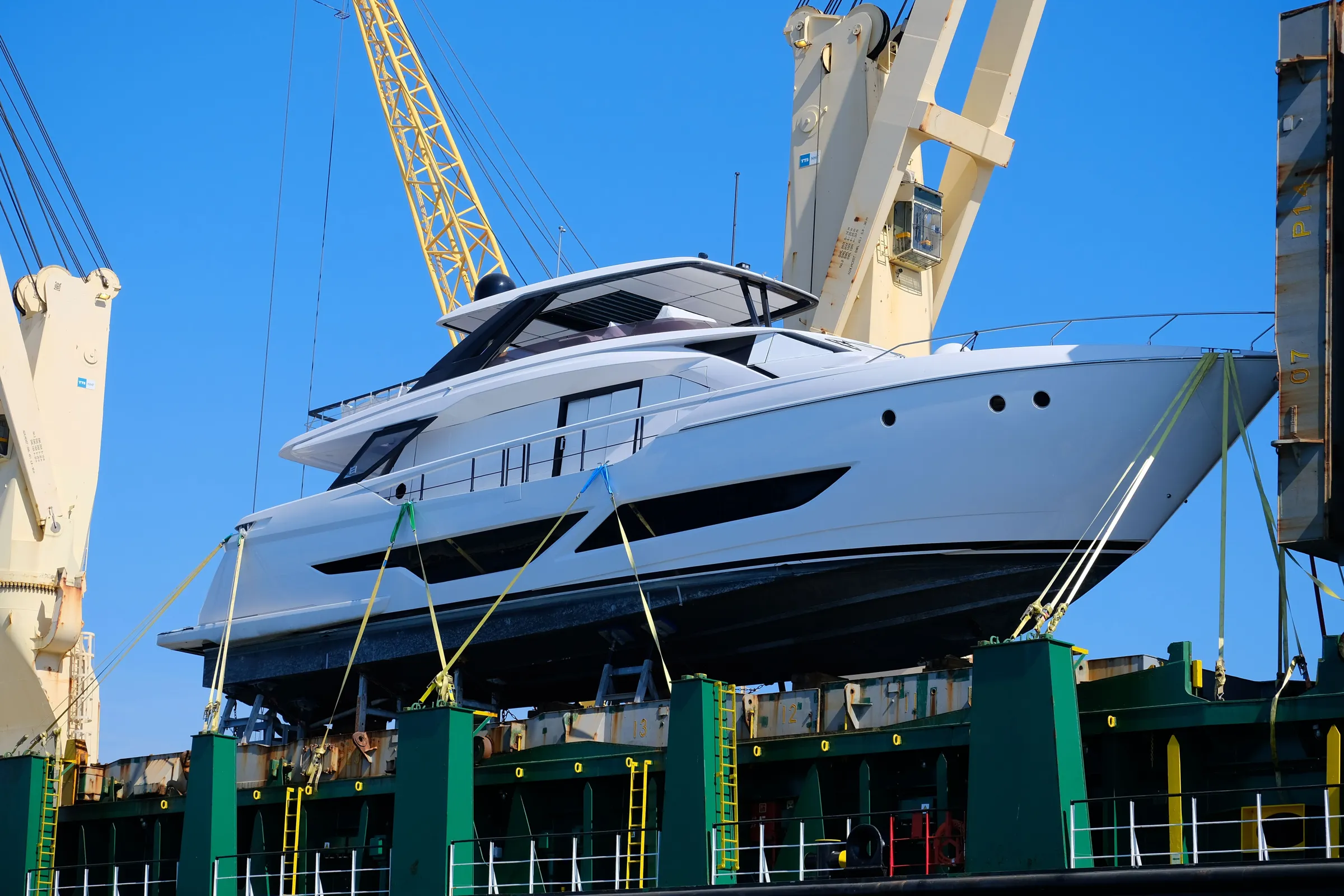
Motor yacht strapped onto the deck of a cargo ship between cranes, ready for transport

Buying a used boat in Spain comes down to three questions: is the seller really the owner and the boat free of charges, which tax applies, and is the boat's inspection certificate in date. A pre-purchase survey answers the fourth: what you're actually buying.

The registration list

Spanish recreational boats sit on one of two lists in the ship register. Lista 7 is private recreational boats; lista 6 is charter boats. The list matters for the inspections the boat has had and will need, and for the tax treatment. Ask for the registration document and check the name, list, hull number and engines against the boat.

Proof of ownership and charges

The Islander's legal guide notes that for boats on lista 6 and 7, ownership can be shown by the purchase invoice, the bill of sale or a private document, with the taxes paid, and that the contract can be a public deed or a private document. Due diligence checks that the boat is recorded in the seller's name with no liens, charges or leasing structure. A deposit of about 10% until completion is common.

Which tax applies

  • Bought from a business. VAT, generally at 21%, per The Islander.
  • Bought from a private seller. The transfer tax, ITP, set by the region. The tax agency states that sales by VAT taxpayers aren't subject to ITP, so the two don't stack.
  • First registration in Spain. A registration tax, the impuesto especial de matriculación, applies to private boats over 8 m on first entry in the Spanish register. Mallorca.com gives it as 12% of the current value.

Rates and exemptions change by region and situation, so have a gestor or lawyer confirm them before you sign.

The ITB and the certificado de navegabilidad

Spain inspects recreational boats on a fixed cycle under Real Decreto 1434/1999. Private boats from 6 m and all charter boats get a periodic inspection at most every five years, and some need an intermediate one out of the water in between. Each inspection and the next due date are recorded on the certificado de navegabilidad, which must be on board. If an inspection is missed, the certificate lapses.

Read the certificate before you make an offer. A lapsed certificate means the boat can't legally be used until it passes, and the inspection may turn up work. Equipment by navigation zone is in Real Decreto 339/2021.

The survey

The ITB is a compliance check by an accredited body. A pre-purchase survey adds what you need as a buyer: what the boat is worth, how old the rigging is, what the engines need and what each defect will cost. The report is what you negotiate with. Book it before the deposit becomes non-refundable, with a haul-out and sea trial if the boat's size and price justify them.

For the wider process, see how to buy a yacht.

Frequently asked

How often is a boat inspected in Spain?

Under Real Decreto 1434/1999, private boats from 6 m and every charter boat get a periodic inspection at most every five years, recorded on the certificado de navegabilidad. Some also need an intermediate inspection out of the water between the second and third year.

Do you pay VAT or transfer tax on a used boat in Spain?

The Islander's legal guide says buying from a business generally means VAT at 21%, while a used boat bought from a private individual is subject to the regional transfer tax, ITP. The Spanish tax agency confirms that sales by VAT taxpayers aren't subject to ITP.

Is the ITB inspection the same as a survey?

They do different jobs. The ITB checks the boat against the legal requirements for its certificate. A pre-purchase survey looks at condition, value and the cost of what needs doing, for you as the buyer.

Your full survey report, minutes after the walk-round

Dictate as you inspect. Axsail builds the findings and the report for your signature

Start free

More guides

All guides
BUYING A BOAT IN EUROPE · 3 MIN

Buying a used boat in Germany: the IBS, the ship register, VAT proof and the contract

What to check when buying a used boat in Germany: what the Internationaler Bootsschein and the ship register prove, the Flaggenzertifikat, inland waterway numbers, VAT proof, warranty rules for private and dealer sales, and the survey.

BUYING A BOAT IN EUROPE · 2 MIN

Buying a used boat in the Netherlands: Kadaster, the zeebrief, the ICP and VAT proof

What to check when buying a used boat in the Netherlands: what Kadaster registration proves, why the zeebrief lapses on sale, the ICP and ICC, the VAT proof to carry abroad, and the survey.

BUYING A BOAT IN EUROPE · 3 MIN

Buying a used boat in the UK: Part 1 or the SSR, VAT evidence, title and the survey

What to check when buying a used boat in the UK: what Part 1 and the Small Ships Register prove, the VAT evidence HMRC accepts, five years of bills of sale, the RCD paperwork, inland licences and the survey.

BUYING A BOAT IN EUROPE · 2 MIN

Buying a used boat in Croatia: registration, technical inspections and the survey

How buying a second-hand boat or yacht in Croatia works: the harbourmaster for boats and the Croatian Register of Shipping for yachts over 15 m, the documents, the CE rule for boats built before June 2000, periodic inspections, insurance and the pre-purchase survey.

BUYING A BOAT IN EUROPE · 2 MIN

Buying a used boat in France: the certificat d'enregistrement, the annual tax and the survey

How buying a second-hand boat in France works: the certificat d'enregistrement that replaced francisation, who can register a boat, the sale deed, the one-month deadlines, the annual tax on boats over 7 m, and the expert maritime's survey.

BUYING A BOAT IN EUROPE · 2 MIN

Buying or keeping a boat in Greece: TEPAI, the DEKPA, the transit log and the survey

What a buyer needs to know about boats in Greek waters: the TEPAI cruising fee by length and how it's paid, the DEKPA and the transit log, the digital transit log for foreign yachts, the fines, and the survey before you buy.