
Axsail
GUIDE · BUYING A BOAT IN EUROPE

Buying or keeping a boat in Greece: TEPAI, the DEKPA, the transit log and the survey

UPDATED 10 NOVEMBER 2026 · 2 MIN READ

What a buyer needs to know about boats in Greek waters: the TEPAI cruising fee by length and how it's paid, the DEKPA and the transit log, the digital transit log for foreign yachts, the fines, and the survey before you buy.

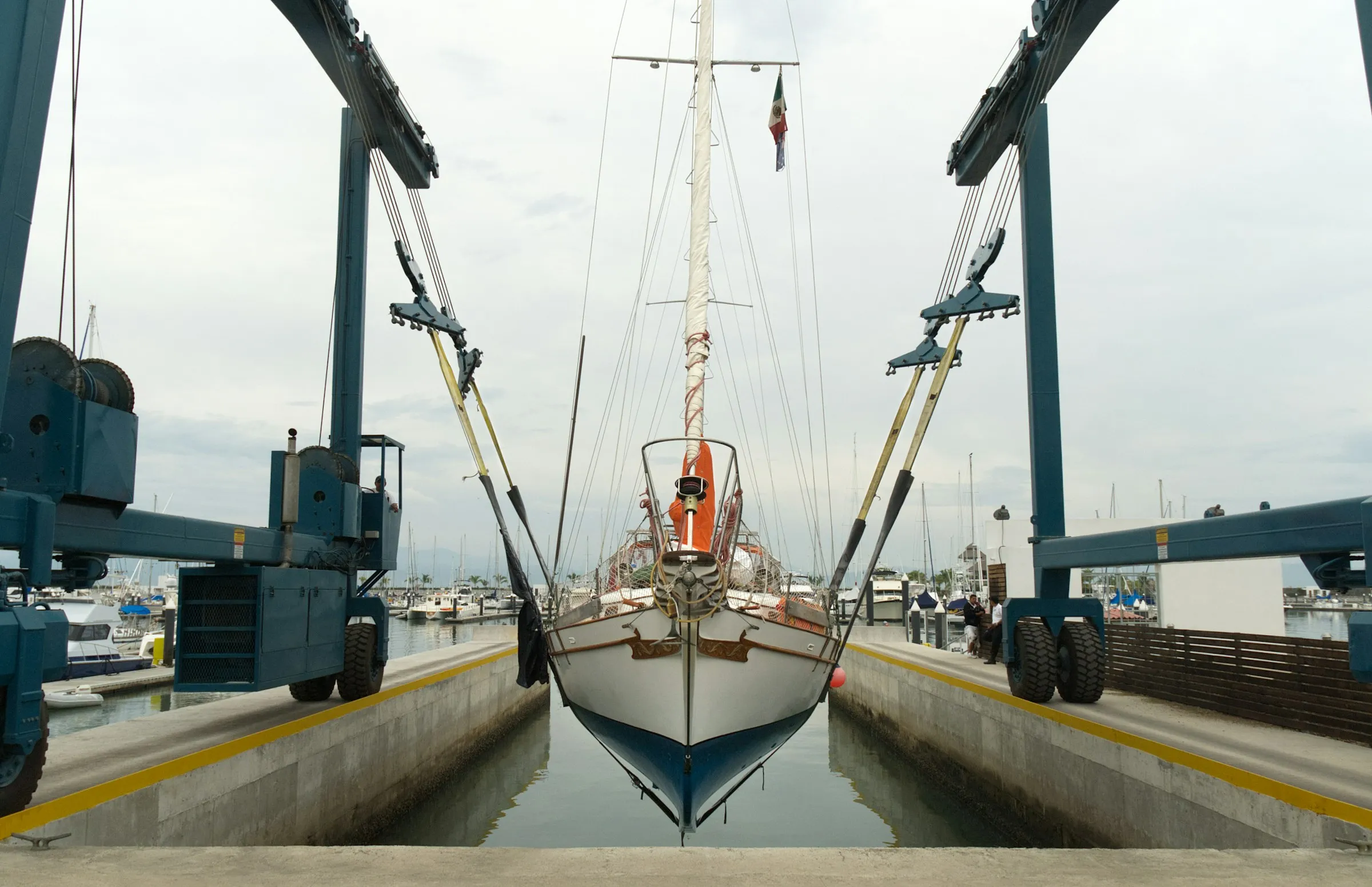
Sailing yacht lifted out of the water in a travel hoist for a haul-out

Greece taxes boats by the month they spend in its waters, whatever their flag. If you're buying a boat that lives in Greece, or buying one to keep there, the fee and its paperwork come with it. Check them before you pay.

TEPAI, the cruising fee

AADE's TEPAI brochure sets out the fee. It applies to private and charter recreational boats over 7 m, whatever their flag, that stay in or enter Greek waters.

Total length TEPAI per month
Over 7 m to 8 m €16
Over 8 m to 10 m €25
Over 10 m to 12 m €33
Over 12 m €8 per metre, from the first metre

The length comes from an official document, to two decimals. A month is the minimum, however few days the boat stays. Paying for a full calendar year in December or January earns 10% off, and private boats over 12 m moored in Greek ports all year can get a further 20%, with a certificate from the port authority.

The owner, holder or user are each liable for the full amount. Boats out of the water, on the hard or on private premises, don't pay until they go back in. AADE also says that unpaid TEPAI means a fine, from €190 for boats over 7 m to 8 m up to €1,100 over 12 m, and the boat can't move until both are paid.

The DEKPA and the transit log

AADE's brochure says that to issue or attest a DEKPA, the Pleasure Craft Traffic Document, you must pay at least that month's TEPAI, and that TEPAI must also be paid before a transit log is issued.

The transit log is for foreign yachts. To Vima reports that private yachts over 7 m arriving at Greek ports must file one with customs, now online through myAADE. For yachts owned by EU residents with all duties settled, the log is valid indefinitely. For non-EU-flag yachts owned outside the EU, or EU-flag yachts owned by non-EU residents, validity is limited if customs and tax duties are unpaid.

What to ask the seller

  • TEPAI receipts for the months the boat has been in Greek waters, since the authorities can fine and hold the boat.
  • The DEKPA or transit log, and whether it's in date.
  • Proof that customs and tax duties are settled, which decides how long a transit log stays valid.
  • The boat's equipment against Greek port regulation 20 if it's a fast boat.

The survey

Paperwork tells you the boat is legal to be where it is. A pre-purchase survey tells you its condition and what it'll cost to put right. Ask for a haul-out so the hull and underwater gear can be seen.

See also how to buy a yacht.

Frequently asked

How much is TEPAI in Greece?

Per month, according to AADE's brochure, €16 for boats over 7 m up to 8 m, €25 over 8 m up to 10 m, €33 over 10 m up to 12 m, and €8 per metre of total length over 12 m. Paying for the whole year in December or January earns a 10% discount.

Do you pay TEPAI if the boat is ashore?

No. AADE says boats in Greece but out of the water, for example on the hard or on private premises, aren't liable, because they aren't in Greek territorial waters.

What is the fine for unpaid TEPAI?

From €190 for boats over 7 m up to 8 m to €1,100 over 12 m, on top of the TEPAI due. The boat can't move until both are paid.

Your full survey report, minutes after the walk-round

Dictate as you inspect. Axsail builds the findings and the report for your signature

Start free

More guides

All guides
BUYING A BOAT IN EUROPE · 3 MIN

Buying a used boat in Germany: the IBS, the ship register, VAT proof and the contract

What to check when buying a used boat in Germany: what the Internationaler Bootsschein and the ship register prove, the Flaggenzertifikat, inland waterway numbers, VAT proof, warranty rules for private and dealer sales, and the survey.

BUYING A BOAT IN EUROPE · 2 MIN

Buying a used boat in the Netherlands: Kadaster, the zeebrief, the ICP and VAT proof

What to check when buying a used boat in the Netherlands: what Kadaster registration proves, why the zeebrief lapses on sale, the ICP and ICC, the VAT proof to carry abroad, and the survey.

BUYING A BOAT IN EUROPE · 3 MIN

Buying a used boat in the UK: Part 1 or the SSR, VAT evidence, title and the survey

What to check when buying a used boat in the UK: what Part 1 and the Small Ships Register prove, the VAT evidence HMRC accepts, five years of bills of sale, the RCD paperwork, inland licences and the survey.

BUYING A BOAT IN EUROPE · 2 MIN

Buying a used boat in Croatia: registration, technical inspections and the survey

How buying a second-hand boat or yacht in Croatia works: the harbourmaster for boats and the Croatian Register of Shipping for yachts over 15 m, the documents, the CE rule for boats built before June 2000, periodic inspections, insurance and the pre-purchase survey.

BUYING A BOAT IN EUROPE · 2 MIN

Buying a used boat in France: the certificat d'enregistrement, the annual tax and the survey

How buying a second-hand boat in France works: the certificat d'enregistrement that replaced francisation, who can register a boat, the sale deed, the one-month deadlines, the annual tax on boats over 7 m, and the expert maritime's survey.

BUYING A BOAT IN EUROPE · 2 MIN

Buying a used boat in Italy: registration, the notary, the safety certificate and the survey

How buying a second-hand boat in Italy works: the boat categories by length and which must be registered, the authenticated bill of sale, the documents and the STED counter, the safety certificate renewed every five years, and the pre-purchase survey.