
Axsail
GUIDE · BUYING A BOAT IN EUROPE

Buying a used boat in the Netherlands: Kadaster, the zeebrief, the ICP and VAT proof

UPDATED 12 NOVEMBER 2026 · 2 MIN READ

What to check when buying a used boat in the Netherlands: what Kadaster registration proves, why the zeebrief lapses on sale, the ICP and ICC, the VAT proof to carry abroad, and the survey.

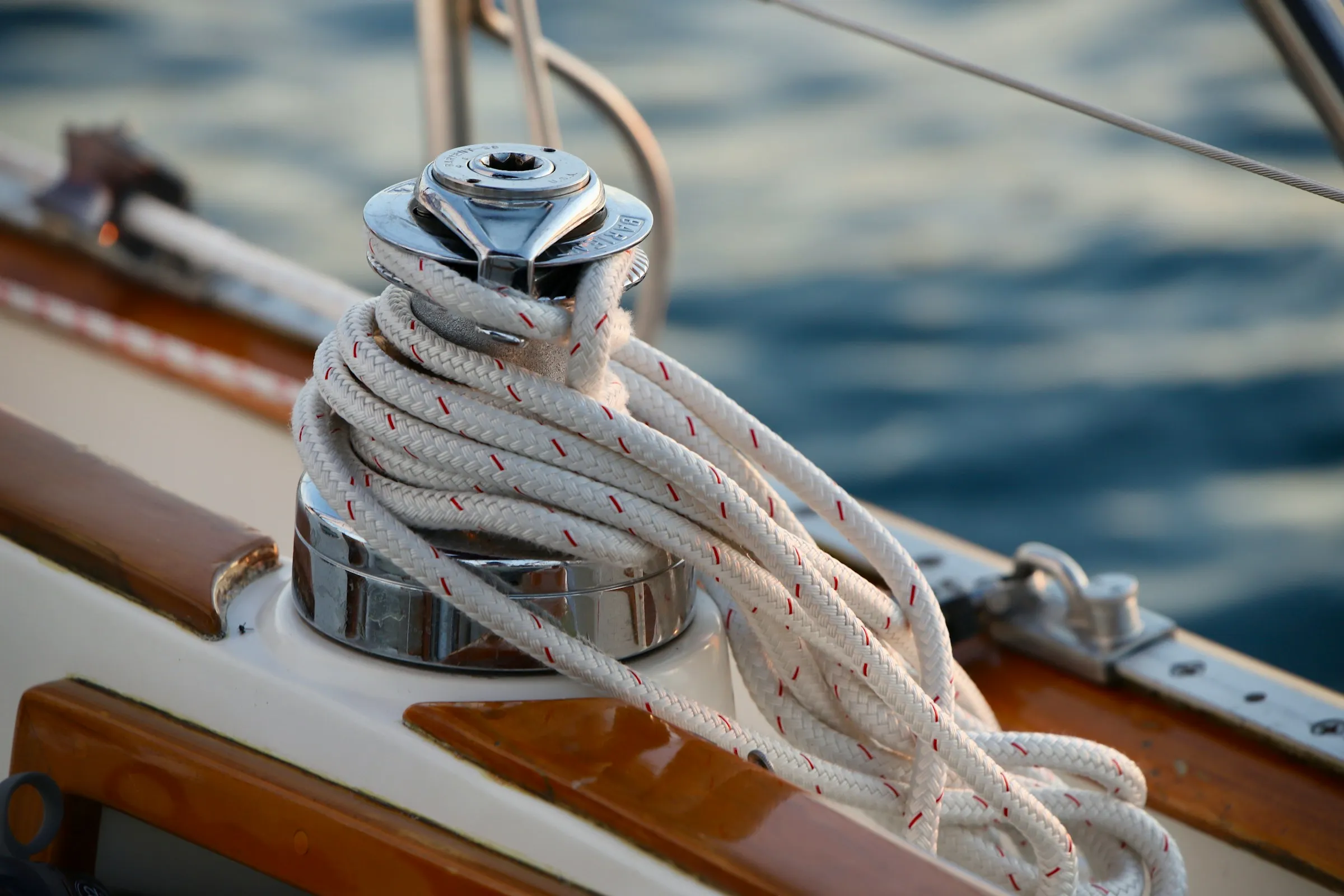
A winch and rope on the deck of a sailing yacht

In the Netherlands, much of a boat's paperwork is optional, which means a used boat may come with a lot or very little. Know what each document proves before you rely on it.

Kadaster: ownership and mortgages

Kadaster says registering a ship in its public registry establishes ownership, and that ownership registration is compulsory if a mortgage is to be established on the boat. A registered boat gets a stamp with a unique identification number.

For a buyer, a Kadaster entry is the strongest proof of who owns the boat and whether a mortgage is registered on it. Check both before paying.

The zeebrief, and why it lapses on sale

The certificate of registry, the zeebrief, is issued by ILT. It's internationally recognised proof of the boat's nationality, ILT says, much like a passport, and gives the right to fly the Dutch flag. ILT and the Dutch government both say it isn't compulsory for pleasure craft at sea.

For boats under 24 m, getting one involves Kadaster: an inspector contacts the owner to inspect and measure the boat and add its registration number, and the tonnage certificate (meetbrief) goes to ILT. ILT lists €201 for the tonnage certificate and €221 for the certificate of registry, amounts that can change each year.

The zeebrief stays valid while its details are unchanged, but ILT is explicit: if you sell the boat, the certificate becomes invalid, and a new owner who wants one must apply. Budget for it if you plan to sail abroad under the Dutch flag.

Sailing abroad: the documents to carry

The Dutch government lists what to have on board outside the Netherlands:

  • Proof that VAT was paid on the boat, such as a purchase invoice showing the VAT, or a VAT declaration for pleasure craft from customs.
  • A boating licence, often the international certificate, the ICC. Dutch owners receive it automatically with a Klein Vaarbewijs or Groot Pleziervaartbewijs.
  • A crew list with names, addresses and passport numbers.
  • The radio operator's certificate and licence, if the boat has a VHF.

Some countries also ask for proof of ownership. The ICP, from KNMC or the Watersportverbond, covers this on inland and coastal waters in a list of countries including Belgium, France, Germany, Croatia and the UK. The government notes it isn't proof of nationality and doesn't give the right to fly the Dutch flag.

What to ask the seller

  • The Kadaster entry, if any, with confirmation that no mortgage is registered, and the zeebrief or ICP, knowing a zeebrief won't transfer to you.
  • The original purchase invoice showing VAT, or the customs VAT declaration, which the Dutch government lists among the papers to carry abroad.

The survey

None of these documents tells you the boat's condition. A pre-purchase survey does, with a haul-out to see the hull below the waterline: see the out of water survey. Dutch insurers handle valuation in their own way: see ANWB and FBTO.

Frequently asked

Do Dutch pleasure boats have to be registered?

A zeebrief, the certificate of registry, isn't compulsory for pleasure craft at sea, per ILT and the Dutch government. Kadaster registration establishes ownership, and it's compulsory if a mortgage is to be registered on the boat.

Does the zeebrief pass to the new owner?

No. ILT says the certificate becomes invalid when the boat is sold, and a new owner who wants one must apply for it.

How much does a zeebrief cost?

ILT lists €201 for the tonnage certificate for pleasure craft under 24 m and €221 for the certificate of registry, and says the amounts can change each year.

What proves VAT was paid on a Dutch boat?

The Dutch government names a purchase invoice showing the VAT, or a VAT declaration for pleasure craft from Dutch customs. Carry one on board when sailing abroad.

Your full survey report, minutes after the walk-round

Dictate as you inspect. Axsail builds the findings and the report for your signature

Start free

More guides

All guides
BUYING A BOAT IN EUROPE · 3 MIN

Buying a used boat in Germany: the IBS, the ship register, VAT proof and the contract

What to check when buying a used boat in Germany: what the Internationaler Bootsschein and the ship register prove, the Flaggenzertifikat, inland waterway numbers, VAT proof, warranty rules for private and dealer sales, and the survey.

BUYING A BOAT IN EUROPE · 3 MIN

Buying a used boat in the UK: Part 1 or the SSR, VAT evidence, title and the survey

What to check when buying a used boat in the UK: what Part 1 and the Small Ships Register prove, the VAT evidence HMRC accepts, five years of bills of sale, the RCD paperwork, inland licences and the survey.

BUYING A BOAT IN EUROPE · 2 MIN

Buying a used boat in Croatia: registration, technical inspections and the survey

How buying a second-hand boat or yacht in Croatia works: the harbourmaster for boats and the Croatian Register of Shipping for yachts over 15 m, the documents, the CE rule for boats built before June 2000, periodic inspections, insurance and the pre-purchase survey.

BUYING A BOAT IN EUROPE · 2 MIN

Buying a used boat in France: the certificat d'enregistrement, the annual tax and the survey

How buying a second-hand boat in France works: the certificat d'enregistrement that replaced francisation, who can register a boat, the sale deed, the one-month deadlines, the annual tax on boats over 7 m, and the expert maritime's survey.

BUYING A BOAT IN EUROPE · 2 MIN

Buying or keeping a boat in Greece: TEPAI, the DEKPA, the transit log and the survey

What a buyer needs to know about boats in Greek waters: the TEPAI cruising fee by length and how it's paid, the DEKPA and the transit log, the digital transit log for foreign yachts, the fines, and the survey before you buy.

BUYING A BOAT IN EUROPE · 2 MIN

Buying a used boat in Italy: registration, the notary, the safety certificate and the survey

How buying a second-hand boat in Italy works: the boat categories by length and which must be registered, the authenticated bill of sale, the documents and the STED counter, the safety certificate renewed every five years, and the pre-purchase survey.