
Axsail
GUIDE · BOAT MAINTENANCE AND COSTS

Winterizing a boat: engine, fuel tank, water systems and batteries

UPDATED 12 NOVEMBER 2026 · 2 MIN READ

How to winterize a boat: stabilized fuel and how full to leave the tank, antifreeze through the engine, outboards, water systems and batteries, with a checklist.

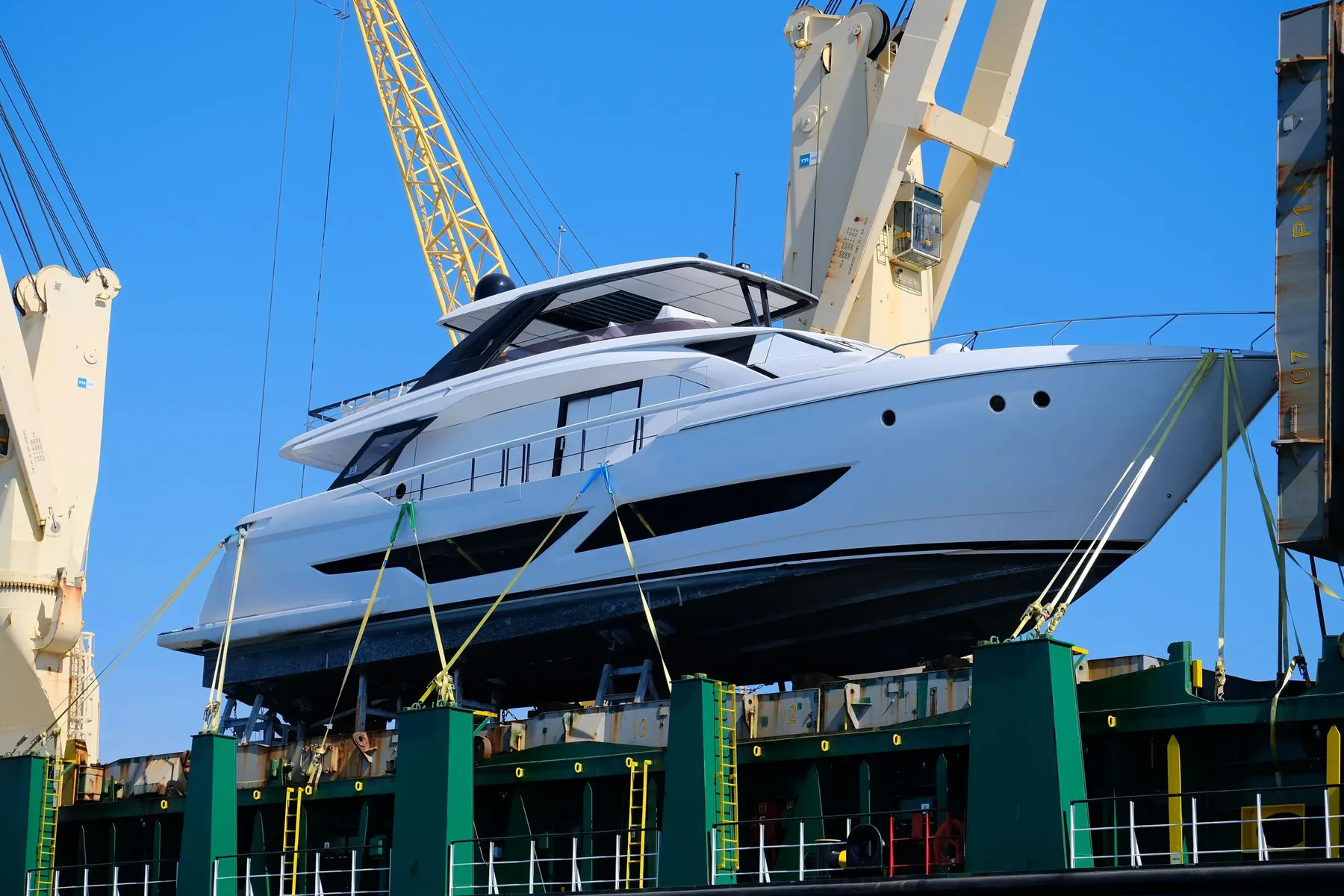
A yacht on blocks in the yard

Winterizing protects a boat from the two things that hurt it over a long lay-up: water freezing inside the systems, and fuel going stale. Discover Boating calls freeze damage the biggest potential problem, with mould and corrosion close behind.

Fuel: full or empty

Soundings asked a fuel specialist, Tom Zarrella of USA Fuel Service, and his answer was "fill 'er up". Fuel industry experts now recommend storing the tank at 90 percent of capacity: a smaller volume of air means less condensation in fuel that absorbs water, and the rest leaves room for expansion. Stabilizer, he says, can extend the fuel's shelf life to 18 to 24 months.

Discover Boating's first and most important step is the stabilizer: dose the tank, then run the engine so treated fuel reaches the whole system. With ethanol-blended fuel, skipping it risks phase separation and water-saturated fuel in spring. Change the fuel filters and water separators at the same time.

The engine

Engine Discover Boating's steps
Inboard Change the oil. Run antifreeze through the raw water system with the engine at operating temperature, so the thermostat is open, until it comes out of the exhaust. Fog the engine.
Sterndrive Change the oil. Remove the block plugs to drain the water and sediment. Bring it to temperature before fogging.
Outboard Change the lower unit oil and check it for water. Fog it. Leave it tilted down all the way.

For an inboard afloat, Discover Boating's method is to close the intake seacock, put the hose in a bucket of environmentally safe antifreeze, and run the engine until antifreeze shows at the exhaust. Draining through the petcocks and plugs is the alternative.

Outboards need less: where the engine can be run every few weeks, extra steps usually aren't necessary, because long periods without use do more harm than low temperatures.

Water systems and heads

  • Drain every freshwater system, including sinks, tanks and heads, then run non-toxic antifreeze through.
  • Open the taps from the farthest to the nearest until each runs with antifreeze, hot and cold, so the water heater gets it too, or drain the heater separately.
  • Pump antifreeze through the heads. Empty and remove a portable toilet.
  • Run raw water washdown and livewell pumps dry, and give them antifreeze if they still gurgle.

Batteries

Out of the water, charge the batteries fully and turn the switches off. A boat left afloat needs clean, fully charged batteries, and a charging system that works.

The checklist and the survey

Our end of season decommissioning checklist turns this into a list to tick, boat by boat, and the pre-season commissioning checklist undoes it in spring. With Axsail the person laying up the boat says what they've done and found, and the list fills in with photos.

Frequently asked

Should a boat's fuel tank be full or empty for winter?

Full, in Soundings' answer. Fuel industry experts it quotes recommend storing the tank at 90 percent of capacity, which cuts condensation and leaves room for expansion. Discover Boating's first step is to dose the tank with a fuel stabilizer and run the engine so treated fuel reaches the whole system.

How do you winterize a boat engine?

Discover Boating's steps for an inboard: change the oil, add stabilizer and run the engine, then run antifreeze through the raw water system with the engine at operating temperature until it comes out of the exhaust. Sterndrives also have their block plugs removed, and inboards get fogged.

Do outboards need winterizing?

Less than inboards. Discover Boating says that where you can run the engine every few weeks, extra steps usually aren't needed, because long periods of inaction cause more trouble than cold. For storage, change the lower unit oil, fog the engine and leave it tilted down.

What is the biggest risk if a boat isn't winterized?

Freeze damage, according to Discover Boating. Water left in an engine, a pump or the plumbing expands as it freezes. Water left in and on the boat also brings mould and corrosion over the winter.

Your full survey report, minutes after the walk-round

Dictate as you inspect. Axsail builds the findings and the report for your signature

Start free

More guides

All guides
BOAT MAINTENANCE AND COSTS · 3 MIN

Boat haul-out cost: what yards charge per foot to lift, wash, block and launch

What a boat haul-out costs, from yard rate sheets in the US and France: a short haul for a survey, haul, wash, block and launch per foot, and storage.

BOAT MAINTENANCE AND COSTS · 3 MIN

Bottom paint for boats: ablative or hard, aluminium hulls, how much and what it costs

Choosing antifouling bottom paint: ablative or hard, copper-free paint for aluminium, changing paint types, how much you need and what yards charge per foot.

BUYING A BOAT IN THE US · 2 MIN

Boat bill of sale in Alabama: notarized signature, 15-day transfer and registration

Buying a used boat in Alabama: what the bill of sale must show, the notarized seller signature, the 15-day transfer, titles and where sales tax is paid.

BUYING A BOAT IN THE US · 2 MIN

Boat bill of sale in Florida: title transfer, form 82040 and sales tax

Buying a used boat in Florida: which boats need a title, the title's transfer section, form 82040, when a bill of sale is needed, 6% sales tax and the 30-day notice.

BUYING A BOAT IN THE US · 2 MIN

Boat bill of sale in South Carolina: SCDNR titles for boats and outboards

Buying a used boat in South Carolina: separate titles for boats and outboards, when SCDNR wants a notarized bill of sale, the 5% tax capped at $500 and fees.

BUYING A BOAT IN THE US · 2 MIN

Boat bill of sale in Tennessee: no title, so the bill of sale is the proof

Tennessee doesn't title boats, so the bill of sale proves the purchase. What TWRA asks it to show, the county clerk's tax certification and registering a used boat.